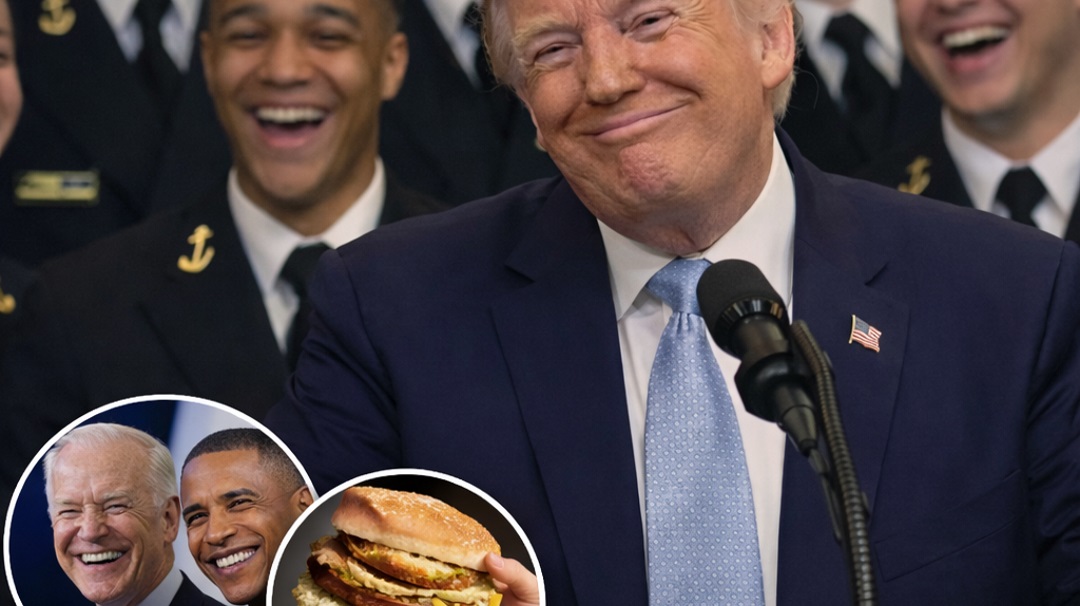
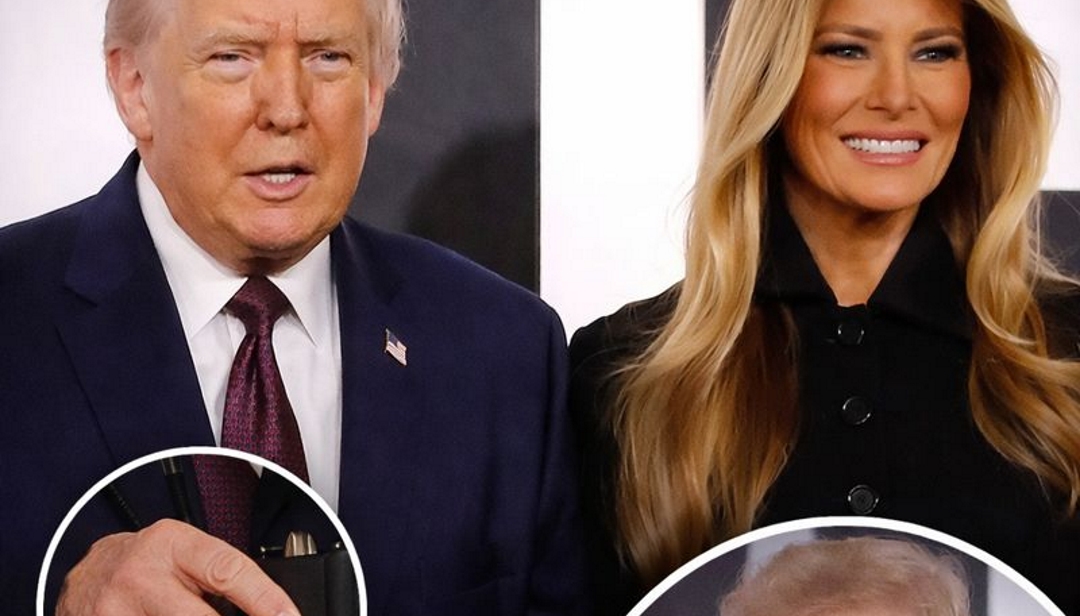
The premiere itself was staged at the Trump–Kennedy Center, in an atmosphere meant to sell polish and momentum. Melania was positioned as the focus—composed, controlled, speaking about the film and its production—while Trump stood close enough to project unity without stealing the microphone. But in the short windows where he wasn’t speaking, body language became the loudest thing happening on camera.
That’s what made the reaction so intense: it wasn’t a gaffe, it wasn’t a misquote, it wasn’t a policy fight. It was a handful of seconds where he looked physically “off” to some viewers, and that’s enough in a climate where every blink, bruise, stumble, or pause is treated like a potential clue to something bigger.
This isn’t the first time Trump’s appearance has triggered a wave of viral concern. Over the past year, online chatter has repeatedly spiked over visible marks on his hand, moments where he seemed to drift during long events, or clips that critics insist show slurred words or a slowed cadence. In each case, the administration has pushed back hard, characterizing the talk as conspiracy-brained nonsense fueled by political hatred.
In this latest round, the White House line was blunt: Trump is fine, he’s energetic, he’s working, and the obsession over small visual moments is being treated as bad-faith noise. A spokesperson dismissed the speculation as “deranged conspiracy theories,” insisting the president is in “perfect health” and portraying the online frenzy as a manufactured smear campaign rather than a legitimate question.
But the problem with visual moments is that they don’t need to be true to feel persuasive to people who already believe them. The camera doesn’t explain itself. The clip doesn’t come with context. And once a certain interpretation takes hold—“he’s tired,” “he’s unwell,” “he’s fading”—it spreads like smoke because it fits into an existing narrative that millions of people are already primed to argue about.
At the same time, supporters argue the opposite: that his opponents are so desperate for a storyline that they’ll turn a blink into a diagnosis, and that no president in modern politics has been more relentlessly scrutinized for normal human aging. They point out that long public days, bright lights, and endless stop-and-start interviews can make anyone look strange in cherry-picked clips.