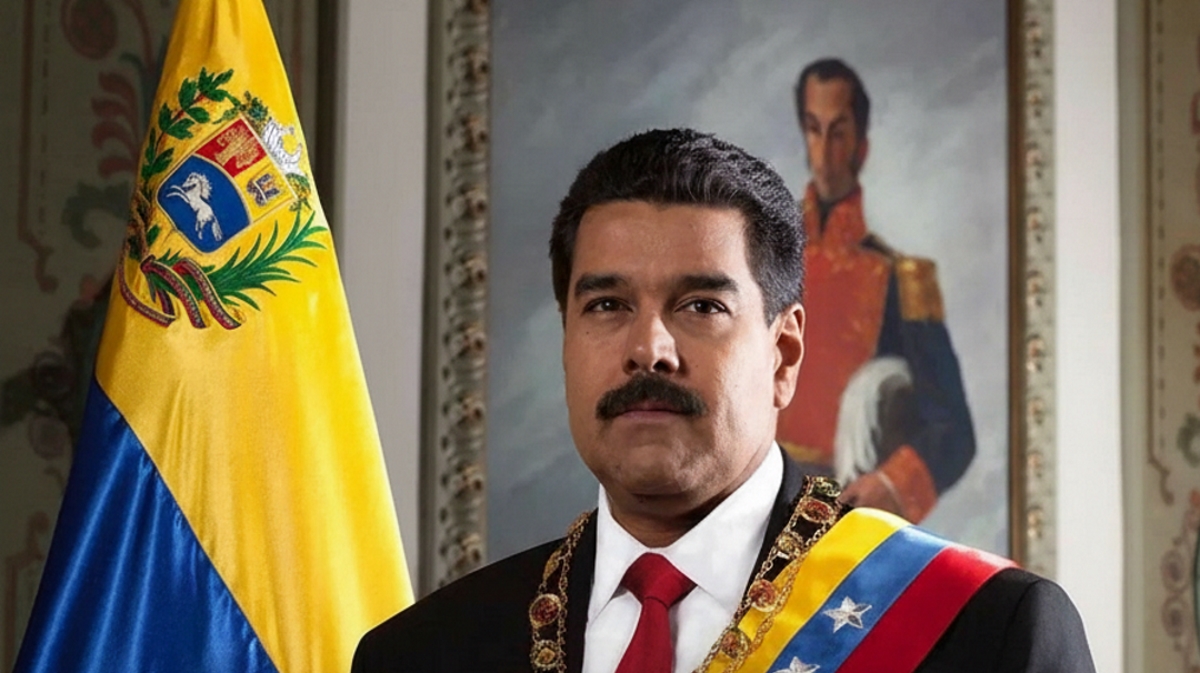
For months now, Donald Trump has insisted that military action against Venezuela is coming “soon,” a word he has repeated often enough to keep allies uneasy and adversaries guessing. Each time the threat resurfaces, it reopens questions about intent, credibility, and how close the United States actually is to a new confrontation in Latin America.
The comments have appeared across rallies, interviews, and private conversations leaked to the press, always framed as decisive strength just over the horizon. Yet as time drags on without a strike, analysts say the repetition itself has become the story, blurring the line between pressure tactics and genuine preparation.
Trump’s focus on Venezuela is not new. During his first term, his administration imposed crushing sanctions, openly backed regime change, and even floated military options, a posture detailed in historical overviews tracing the escalation campaign against Nicolás Maduro.
What feels different now is the tone. Rather than outlining conditions or red lines, Trump has leaned on vague imminence, telling supporters that action is inevitable while offering no timeline. Foreign policy experts note in strategic analysis that repeated undefined threats can weaken deterrence rather than strengthen it.
When “soon” lasts for months, it stops sounding like strategy and starts sounding like noise. — Mark Hertling (@MarkHertling) Dec 2025
Venezuela’s government has publicly dismissed Trump’s language as political theater, accusing Washington of saber-rattling for domestic gain. State media in Caracas has replayed Trump’s remarks alongside claims of U.S. imperialism, messaging examined in regional coverage monitoring the propaganda war.
Behind the scenes, however, regional governments are paying close attention. Colombia, Brazil, and Caribbean states remember how quickly tensions spiked during past crises, concerns reflected in security briefings warning that even rhetorical escalation can destabilize fragile borders.
Trump has framed potential action as necessary to stop drug trafficking, protect democracy, and punish Maduro’s authoritarian rule. Similar justifications were used during earlier pressure campaigns, arguments dissected in policy reporting reviewing the administration’s past deliberations.
Critics argue those claims ignore humanitarian realities on the ground. Venezuela’s population has already endured years of economic collapse, shortages, and mass migration, suffering chronicled in rights documentation that warns any military strike would compound civilian harm.
Military threats don’t feed people or fix dictatorships. They usually make suffering worse. — Ana Quintana (@AnaQuintanaDC) Dec 2025
Even within U.S. defense circles, there is skepticism. Former Pentagon officials have noted that Venezuela poses no imminent military threat to the United States, and that intervention would require significant resources, a point raised in defense assessments examining operational realities.
The prolonged ambiguity also risks miscalculation. History shows that when threats are repeated without follow-through, adversaries may either overreact or dismiss them entirely, dynamics explored in studies of coercive diplomacy analyzing how signaling can backfire.
Trump supporters argue the uncertainty is intentional, claiming unpredictability keeps opponents off balance. That theory echoes defenses of his first-term foreign policy style, arguments revisited in retrospective analysis of his approach to international crises.
Unpredictability can deter, but it can also erode trust with allies. — Ian Bremmer (@ianbremmer) Dec 2025
For Venezuelans, the rhetoric adds another layer of fear. Many still remember the 2019 standoff, when talk of intervention spiked anxiety and sent waves of people fleeing, episodes recalled in migration reporting documenting panic-driven departures.
Diplomats say the repeated “soon” language also complicates quieter negotiations. Any progress on sanctions relief, elections, or prisoner swaps becomes harder when military threats dominate headlines, a tension outlined in diplomatic analysis on stalled engagement.
As months pass, the absence of action has not reduced the stakes. Instead, it has created a lingering sense of instability, where no one is sure whether the threat is a bluff, a bargaining chip, or a plan waiting for the right political moment.
Whether Trump ultimately orders a strike or lets the promise fade, the pattern itself has consequences. Repeated vows without clarity shape perceptions, strain regional nerves, and test the credibility of U.S. power.
For now, Venezuela remains in a state of suspended tension, living under a word that has stretched far beyond its usual meaning. “Soon” has become not a timeline, but a warning that never quite resolves.