
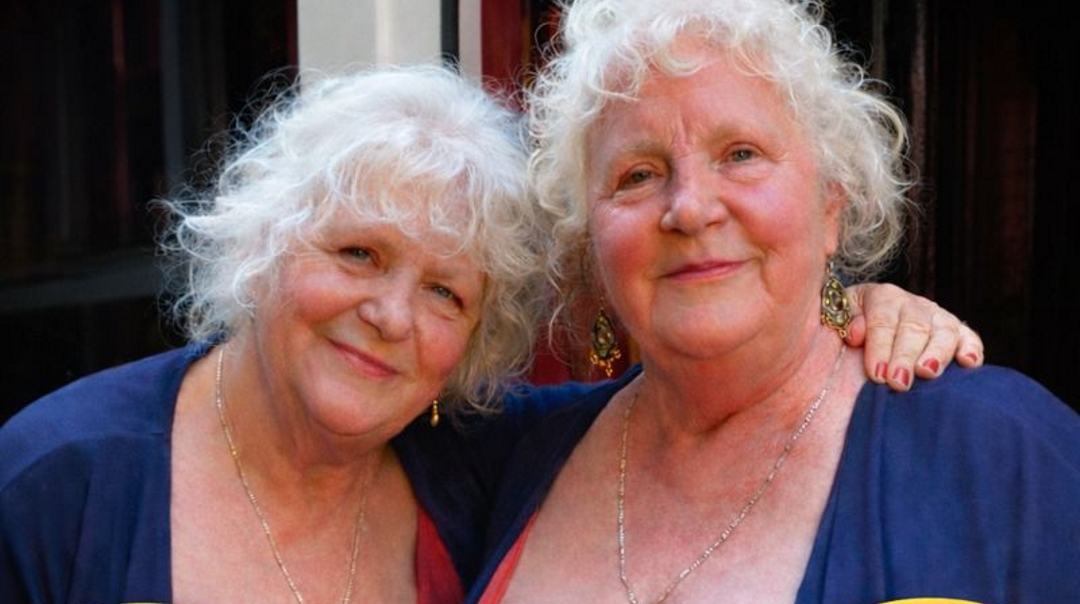
The sisters say they were able to retire comfortably, crediting strict financial discipline rather than luck. They claim to have saved aggressively during their working years, a strategy they say protected them from poverty later in life.
Not everyone accepts their account at face value. Some critics online have questioned the math behind their estimates, while others accuse media outlets of amplifying the story primarily for shock.
Still, sociologists point out that numerical disbelief often reflects discomfort rather than factual impossibility, especially when discussing labor that remains marginalized, as noted in academic analysis of sex work narratives.
For the twins, the attention is secondary to what they say is the larger issue: how society remembers women whose labor existed outside traditional respectability, yet helped sustain entire industries.
They say they are no longer interested in defending their choices, only in being honest about them — even if that honesty unsettles people.
“People focus on the number,” one of the sisters said in a previous interview. “But they forget the years.”
Whether viewed as controversial or candid, their story continues to force uncomfortable questions about autonomy, aging, and how history treats women whose lives don’t fit neat narratives.