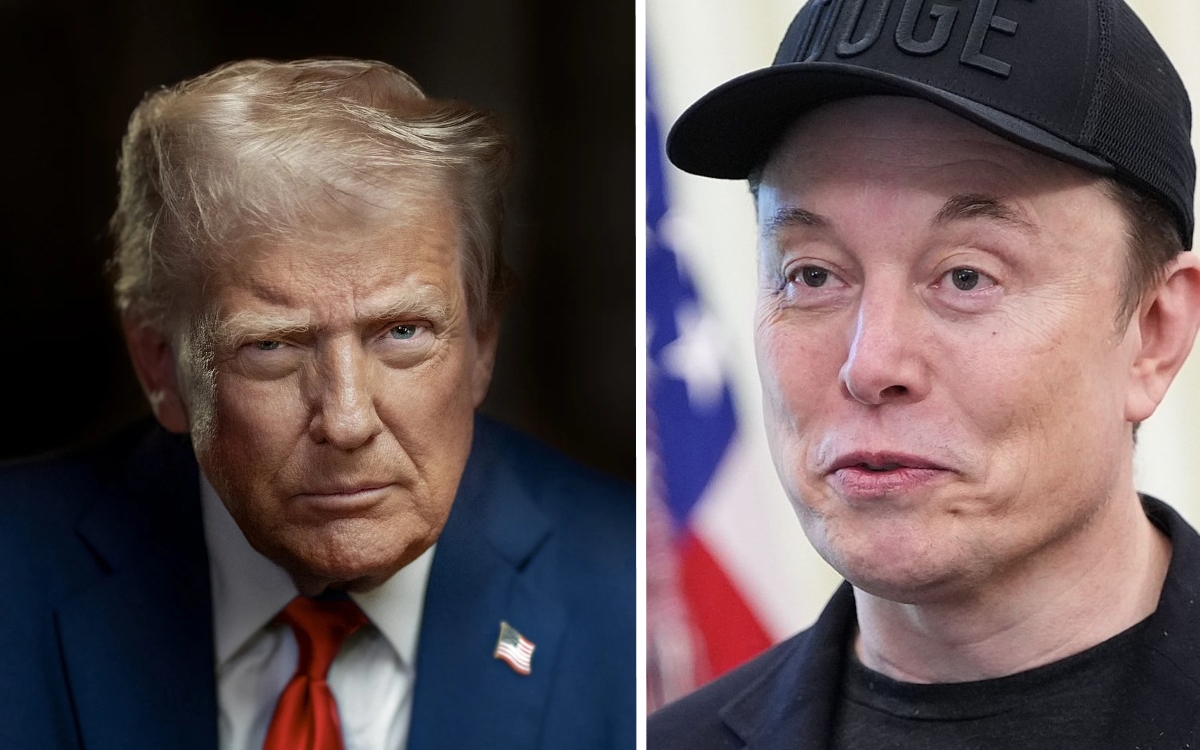
When Elon Musk publicly endorsed calls for President Donald Trump’s impeachment—replying “Yes” to an X thread demanding removal over alleged ties to Jeffrey Epstein’s files—it didn’t just set social media ablaze. It prompted legal experts across the country to weigh in on what the Constitution actually requires for impeachment. We spoke with Professor Linda Garza, a constitutional law scholar at Georgetown University, to parse Musk’s explosive intervention and explain the real-world grounds for removing a sitting president.
Just days ago, Musk tweeted “Time to drop the real bomb: Trump is in the Epstein files,” citing flight manifests and contact logs unsealed by a New York judge that reportedly list Trump’s name alongside Epstein’s private jet entries. When he followed up by endorsing #ImpeachTrumpNow with a simple “Yes,” the hashtag exploded to over 3 million uses in 24 hours, and outlets from Axios to The New York Times covered the unprecedented move.
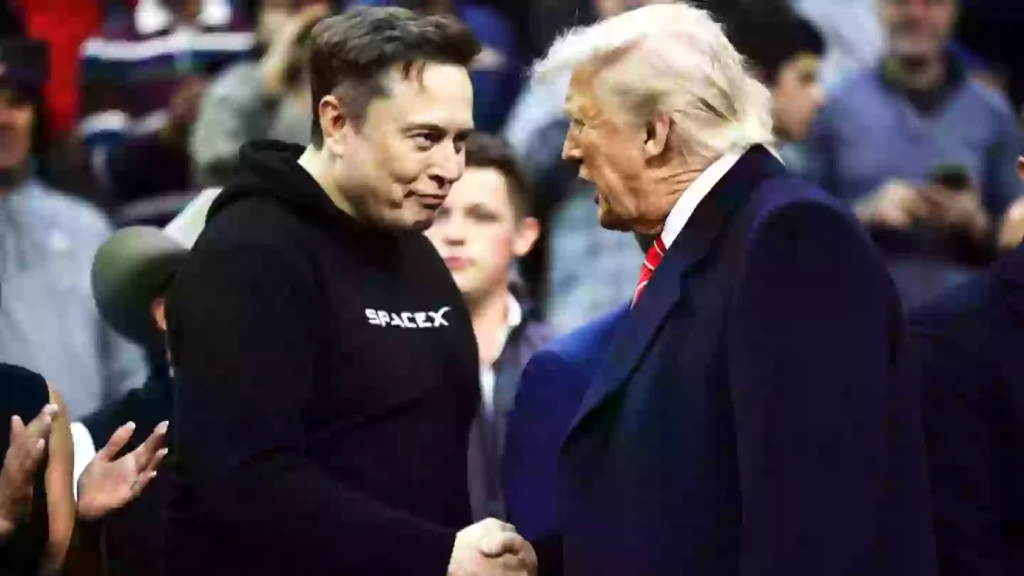
Yes. #MuskVsTrump— Elon Musk (@elonmusk) June 5, 2025
Professor Garza calls Musk’s call “dramatic and attention-grabbing,” but warns that legal reality is far more complex. “Impeachment isn’t a viral panel or a single tweet,” she explains. “It’s a formal constitutional process requiring ‘high crimes and misdemeanors,’ a phrase intentionally broad but not limitless.”
Garza points out that the Framers debated the impeachment clause for months, ultimately rejecting language that would have allowed removal for mere “maladministration.” Instead, they settled on a standard meant to encompass serious abuses of power—bribery, treason, and obstruction of justice being the clearest examples. The full scope, she says, remains “deliberately open to interpretation by Congress.”
That interpretation process begins with the House Judiciary Committee, which must receive evidence—such as unredacted Epstein records or sworn testimony linking Trump to criminal wrongdoing. Only then can articles of impeachment be drafted, debated, and voted on in the full House by a simple majority. The Senate would then hold a trial requiring a two-thirds majority to convict and remove the president.
“Evidence matters,” says Prof. Garza. “Without it, Musk’s tweets are political theater, not legal ammunition.” #Constitution— Georgetown Law (@GeorgetownLaw) June 11, 2025
Musk’s suggestion of impeachment over the Epstein files hinges on whether Trump’s presence in those documents constitutes an impeachable offense. Garza notes that names in flight logs alone—even if accurate—do not prove criminal conduct. “We need context,” she stresses. “Were laws broken? Did Trump use his office to conceal evidence or obstruct an investigation? That’s what the Committee would need to establish.”
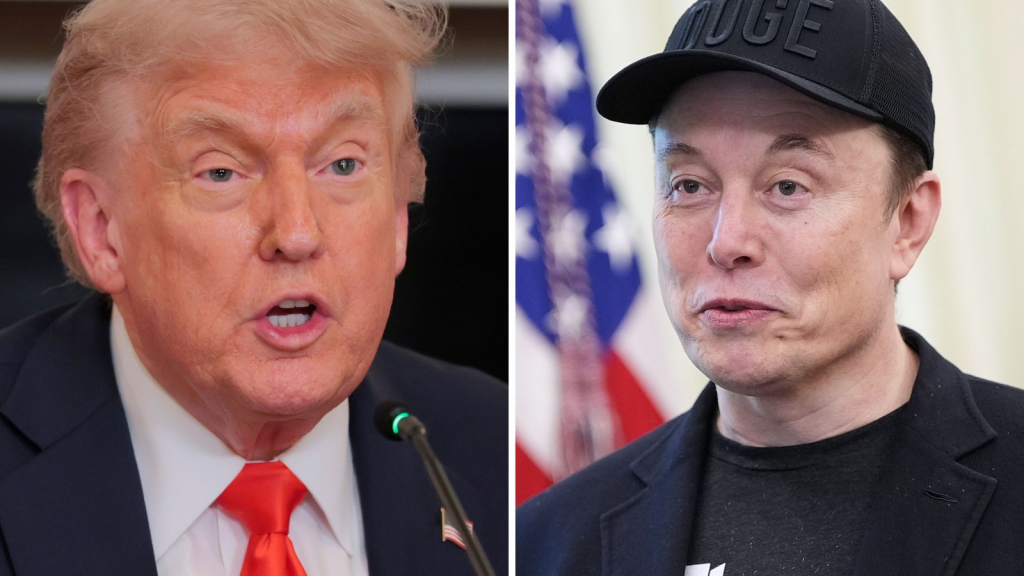
While some lawmakers, like Representative Jill Moreno (D-CA), have already called for hearings into the Epstein files, Garza cautions that political will is a hurdle. Impeachment inquiries are “highly partisan,” she says, requiring both enough Democratic support to pass articles in the House and bipartisan backing to secure a Senate conviction—something she deems “a very steep climb” given narrow majorities.
“Impeachment requires proof and political consensus—neither is guaranteed,” Prof. Garza tells @Politico. #Impeachment101— Politico Playbook (@politico) June 12, 2025
Garza also highlights that impeachment is not solely a legal question but a constitutional check on power. “It’s designed to protect the Republic from presidents who overstep,” she says. “If Trump did use his office to hide involvement with Epstein, that could very well constitute an abuse of power.”
Legal precedent offers mixed signals. Presidents Andrew Johnson and Bill Clinton were impeached by the House but acquitted in the Senate; Richard Nixon resigned under threat of impeachment. Each case revolved around distinct allegations—Johnson’s clashes over Reconstruction, Clinton’s perjury in a civil lawsuit, Nixon’s cover-up in Watergate—yet all underscored that politics ultimately determines outcomes.
“History shows impeachment is as much about politics as it is about law,” says Prof. Garza. #Watergate #Impeachment— HistoryCircle (@HistoryCircle) June 12, 2025
Musk’s role in this saga has revived debate over social media’s influence on governance. Garza warns that “tweets can pressure politicians but cannot bypass constitutional safeguards.” Congress remains the gatekeeper of impeachment, and she urges the public to demand hearings, subpoena votes, and official investigations rather than rely on social media for justice.
Even as analysts at Reuters predict slim odds for a successful impeachment, Garza sees value in the conversation. “If Musk’s tweets lead to transparency about Epstein’s network, that’s a win for democracy,” she says. “But we must channel that energy into legal processes, not just hashtags.”
For now, Musk shows no signs of backing down. He’s continued to press the issue on X, retweeting investigative threads by journalists at BBC News and The Guardian. Meanwhile, Trump’s allies in Congress have accused Musk of “meddling in domestic affairs,” threatening to subpoena him to testify before the House Judiciary Committee if hearings proceed.
Whether Musk’s outburst sparks a formal impeachment inquiry or fizzles as political noise, Garza insists that constitutional mechanisms remain paramount. “Our system is built to handle allegations against any president—no matter how powerful his critic may be,” she concludes. “The rule of law, not retweets, will decide the next chapter.”