
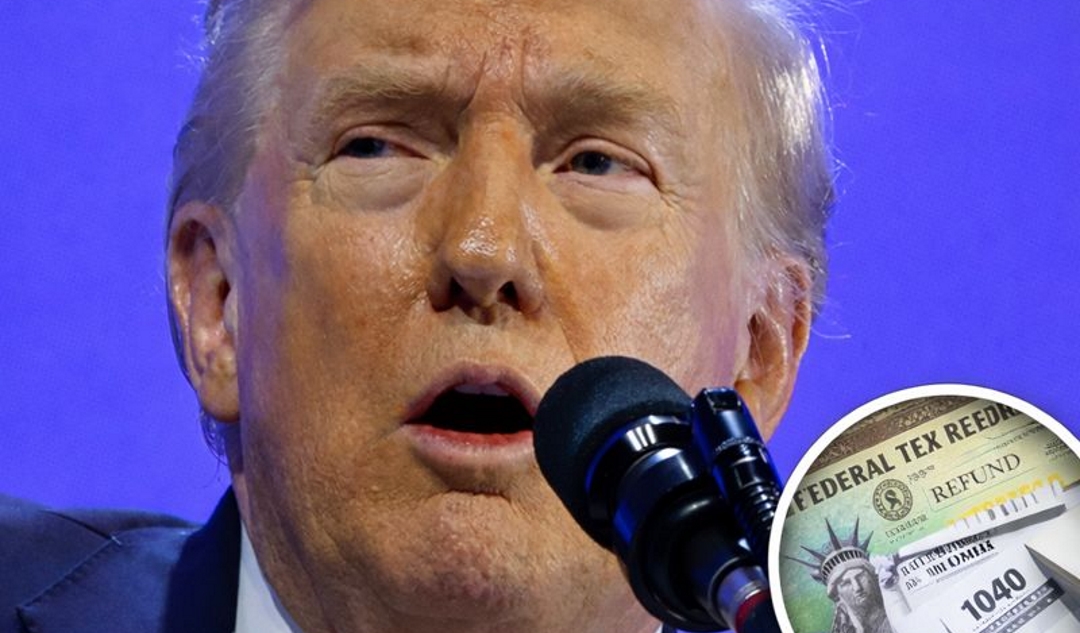
Public reaction has been mixed. Some Americans welcome any promise of lower taxes or larger refunds amid inflation and rising living costs. Others remain skeptical, citing past experiences where expectations did not align with actual refund amounts.
The Internal Revenue Service has not announced any changes that would support claims of record-breaking refunds tied to new federal legislation. Current filing season guidance remains consistent with prior years.
For accurate information on how refunds are calculated and what taxpayers can expect, filers are encouraged to consult official IRS guidance rather than political statements. The IRS provides detailed explanations of credits, deductions, and withholding on its official site.
You can review current federal tax rules and refund information directly through the Internal Revenue Service, which outlines how refunds are determined and when payments are issued.
Independent analysis of the long-term effects of Trump-era tax policies can also be found via Congressional Budget Office reports, which assess fiscal impact without political framing.
As the election cycle intensifies, tax policy is likely to remain a central talking point. Experts advise voters to separate enacted law from campaign promises and to focus on verified policy details when planning their finances.
While the idea of the “largest tax refund in history” is attention-grabbing, the reality is far more complex. Until new legislation is passed and implemented, refund outcomes will continue to depend on individual circumstances rather than sweeping political claims.