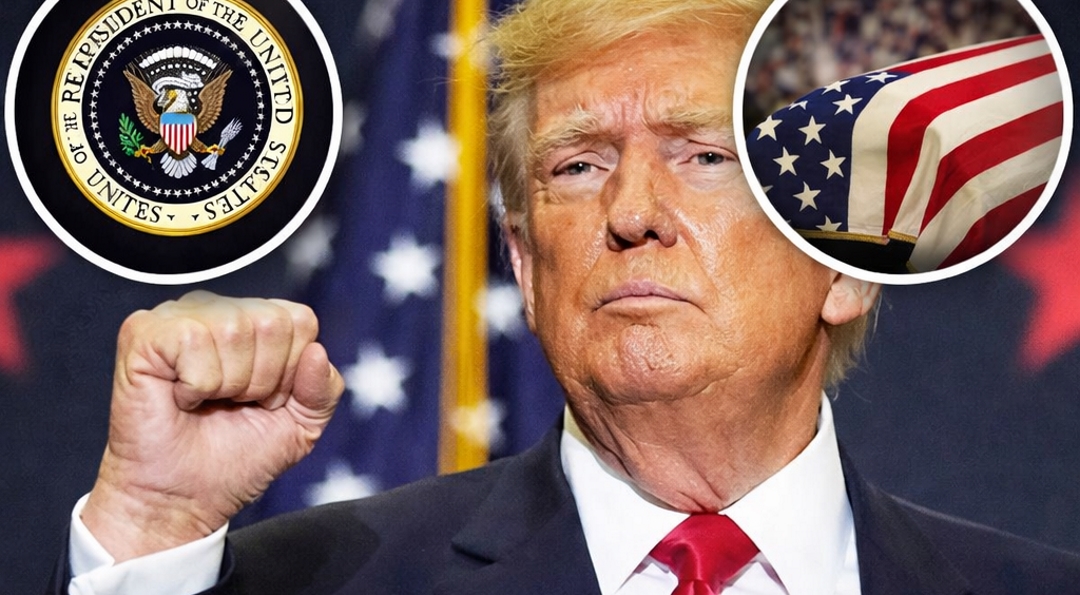
Public communication would follow a pattern, too. There would typically be an official announcement, followed by statements from senior leaders, and then the new president would address the nation as soon as appropriate. That first address usually has two jobs: confirm stability and acknowledge grief. One part is procedural reassurance. The other part is emotional reality, because a country can be stable and shaken at the same time.
You’ll often hear people assume the country would immediately hold a special presidential election. That’s not how it works. Elections still happen on the normal calendar. The new president serves out the remainder of the term, unless they resign, die, or are removed through separate constitutional processes.
There’s also a difference between death and incapacity, and people often blur them. If a president is alive but unable to perform duties, the 25th Amendment creates pathways for the vice president to become “acting president” temporarily. But death is different. Death triggers full succession, not a temporary handover.
What makes all of this feel so stark is the human side. A death in office would be a national trauma and a private tragedy at once, unfolding under cameras and inside a grieving circle of family and staff. But the system is intentionally unemotional in its mechanics because it has to be. It cannot rely on calm. It has to work even when everyone is panicked.
So if a president were to die in office, the answer is not chaos. It’s a transfer. The vice president becomes president immediately, the government keeps running, and the nation mourns while the system does what it was built to do: keep the seat of power from ever sitting empty.