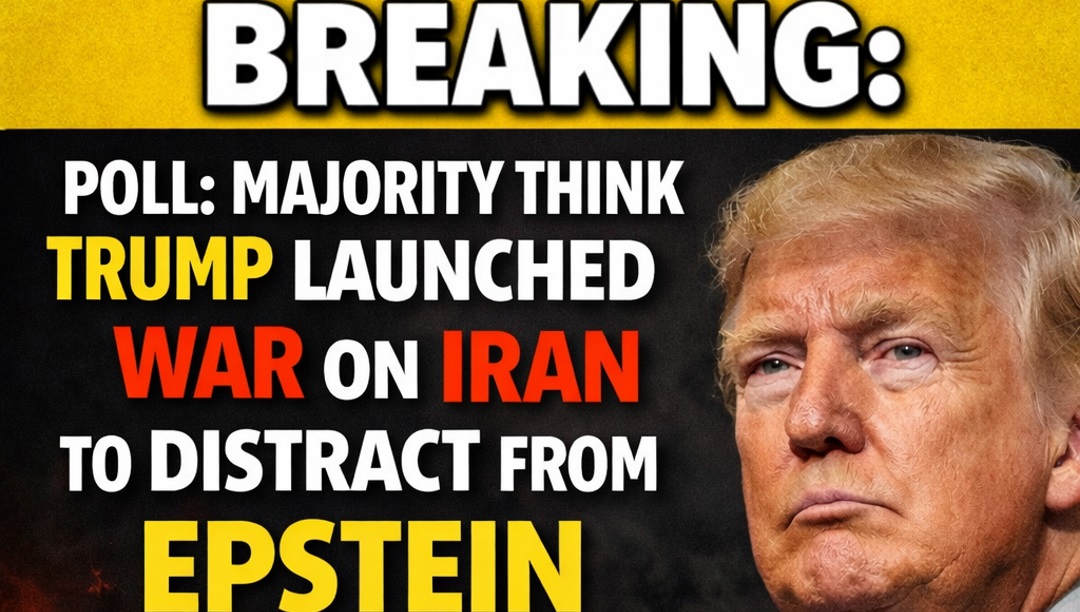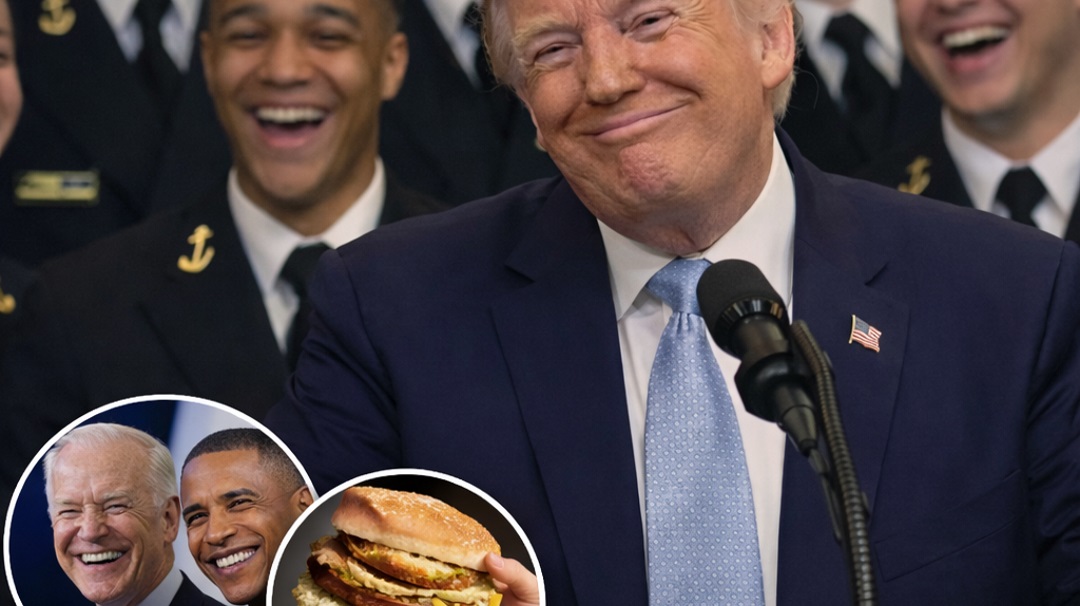
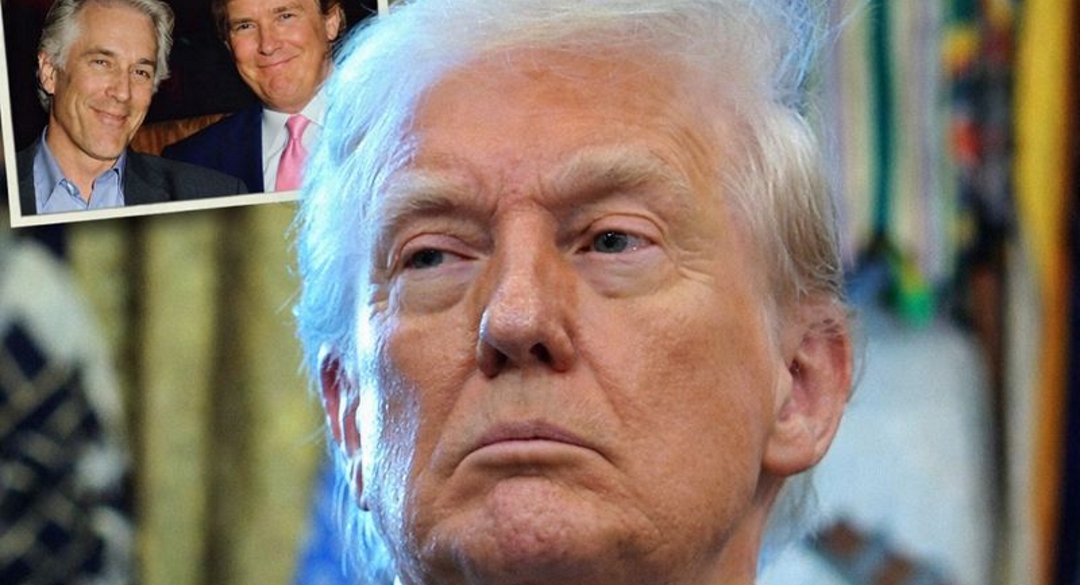
The image landed like a match on dry ground. A familiar portrait of Donald framed by old photos of his past social circle, paired with a blunt claim: the White House insists that when spoke about “Donald Trump” in private conversations about young girls, he was referring to someone else entirely.
The assertion immediately triggered backlash, disbelief, and a fresh wave of scrutiny around long-documented associations, timelines, and statements that have haunted public discourse for years. Critics weren’t reacting to new criminal charges — none have been filed — but to what many saw as an attempt to reframe a deeply uncomfortable history through semantics.
According to officials familiar with the response, the argument hinges on the idea that Epstein, known for name-dropping and exaggeration, may have referenced another individual sharing the same first name. The problem, as analysts pointed out in archived interviews, is that Epstein rarely spoke vaguely when boasting. He liked specifics. Names were currency.
Trump has long maintained that he severed ties with Epstein well before any crimes became public, repeating variations of that claim across interviews, debates, and sworn statements. Supporters often point to those remarks alongside social distance in later years, citing old flight records and public schedules as context.
But skeptics argue the White House explanation strains credibility. Trump and Epstein were photographed together multiple times in the 1990s and early 2000s, attended overlapping social events, and shared mutual acquaintances in elite Palm Beach and New York circles. That history has been dissected repeatedly in long-running investigations, none of which rely on anonymous rumors alone.
The renewed controversy also reopened questions about Epstein’s recorded statements. While many of his claims were unverified or self-serving, survivors and investigators have emphasized that dismissing everything he said risks erasing uncomfortable truths. That tension sits at the heart of why this latest explanation has drawn such intense reaction.
Trying to rename the problem doesn’t make it disappear. People remember the photos. — Court Watch (@CourtWatch)
Legal experts caution against conflating association with guilt. No evidence has placed Trump among those charged in Epstein’s crimes, and repeating unproven allegations carries its own ethical risks. At the same time, they note that public trust erodes when officials appear to minimize or obscure known relationships instead of addressing them transparently.
Adding fuel to the debate is the broader political climate. With institutions already under strain, any perception of selective accountability resonates far beyond one individual. Commentators framed the moment as emblematic of a system that bends language to protect power, a theme echoed in recent opinion essays and televised panels.
For survivors of Epstein’s abuse, the controversy feels painfully familiar. Many have said that watching influential figures argue over wording — rather than confronting the reality of exploitation — reinforces a sense that their experiences remain secondary. Advocacy groups highlighted that frustration in statements circulated widely across social platforms.
This isn’t about which Donald. It’s about why powerful men always get benefit of doubt. — Justice Voices (@JusticeVoices)
The White House has not provided additional documentation to support its claim, nor identified who the “other Donald” might be. That absence has only deepened skepticism, with critics asking why clarity wasn’t offered immediately if the distinction were genuine.
What remains clear is that Epstein’s shadow still reaches into the present, long after his death. Each new attempt to reinterpret the past reopens wounds, reignites debate, and tests public patience with explanations that feel carefully engineered rather than candid.
Whether this latest claim fades or escalates will depend on what comes next — more evidence, more silence, or another reframing. For now, the image has done its job, dragging unresolved questions back into the spotlight and reminding the public that history rarely stays buried when power tries to rewrite it.