Few criminal cases in recent memory have generated as many unanswered questions as the investigation surrounding financier Jeffrey Epstein. Years after his death in federal custody, newly released documents, court filings, and investigative reporting continue to pull the story back into the public spotlight.
Each time additional records surface, familiar names reappear — sometimes sparking intense public debate about what those mentions actually mean.
Among the individuals whose names have circulated repeatedly in discussions of the case is former U.S. president Donald Trump. References to Trump in documents connected to Epstein have resurfaced periodically, often prompting renewed scrutiny online and in political circles.
But legal experts stress that the presence of a name in investigative files or witness testimony does not automatically imply wrongdoing.
The Epstein case itself spans decades and involves thousands of pages of legal material, including flight logs, depositions, police reports, and witness statements gathered during civil lawsuits and criminal investigations. Many of these documents mention a wide range of people — from business associates to politicians and celebrities — who had varying degrees of interaction with Epstein.
Understanding what those references mean requires careful context.
Some names appear simply because individuals attended the same social events, were listed in contact books, or were mentioned by witnesses recounting past interactions. Others appear in records connected to investigations attempting to map Epstein’s extensive network of acquaintances.
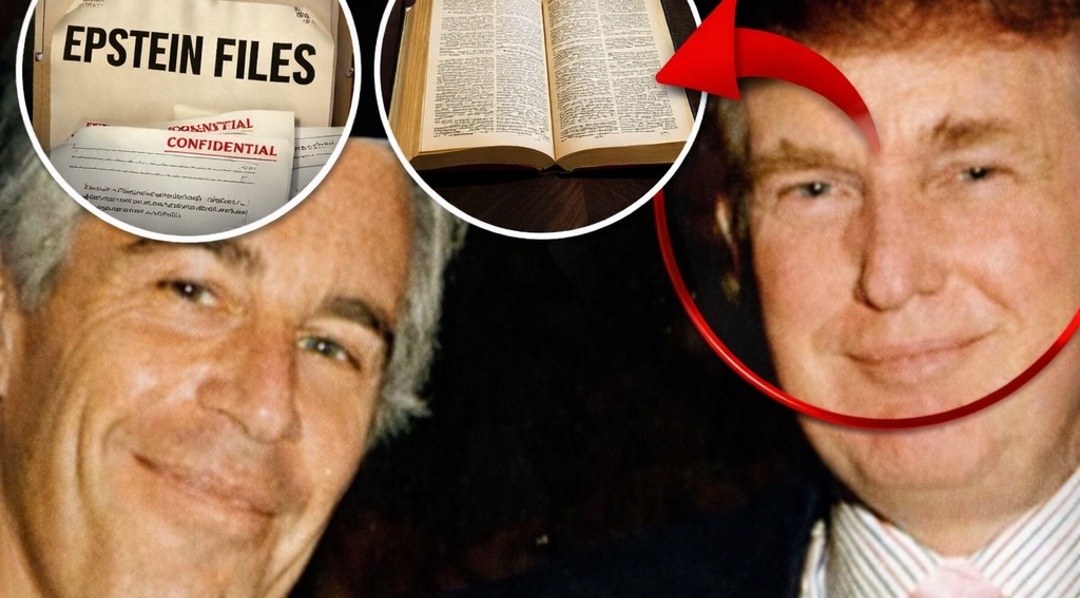
In Trump’s case, the relationship between the two men dates back to the 1990s, when both were prominent figures in New York and Palm Beach social circles.
Photographs and media coverage from that period show them attending similar gatherings, and Trump himself once publicly described Epstein as someone he knew socially. However, their association reportedly cooled years before Epstein’s first arrest in 2006.
Trump later stated that he had banned Epstein from his Mar-a-Lago club in Florida following an incident involving a guest. Details of that claim have been discussed in various media reports and interviews over the years.
Despite the ongoing public discussion, no criminal charges have been filed against Trump in connection with the Epstein investigation.
The broader Epstein case remains complicated not only because of the scale of his social network, but also because many records remain sealed or heavily redacted. Courts have gradually released portions of those files in response to transparency requests from journalists and advocacy groups seeking greater clarity about who may have known what.
Each release of documents tends to reignite speculation across social media, where fragments of information are often circulated without the surrounding legal context.
That environment has led many legal analysts to caution against drawing conclusions based solely on isolated mentions within large investigative archives.
“Being named in a document is not the same thing as being accused of a crime,” one former federal prosecutor explained in a recent interview discussing the Epstein records. “These files contain thousands of references gathered during complex investigations.”
Meanwhile, the broader questions surrounding Epstein’s activities — and the network of individuals who may have been connected to him — continue to fuel calls for greater transparency.
Lawmakers, victims’ advocates, and investigative journalists have repeatedly pushed for the release of additional records that could shed light on how Epstein operated for so many years before facing significant legal consequences.
For many observers, the case represents a larger issue about accountability and influence among powerful figures.
Even years after Epstein’s death in 2019, the legal and political aftershocks from his case continue to ripple outward — resurfacing names, reigniting debates, and reminding the public just how far the investigation’s reach once extended.