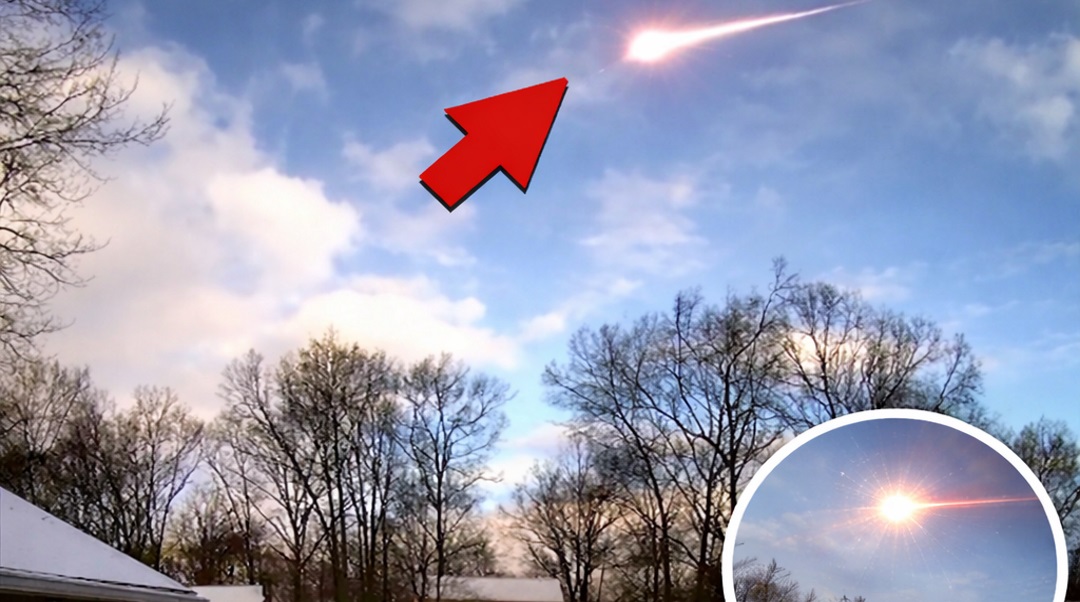
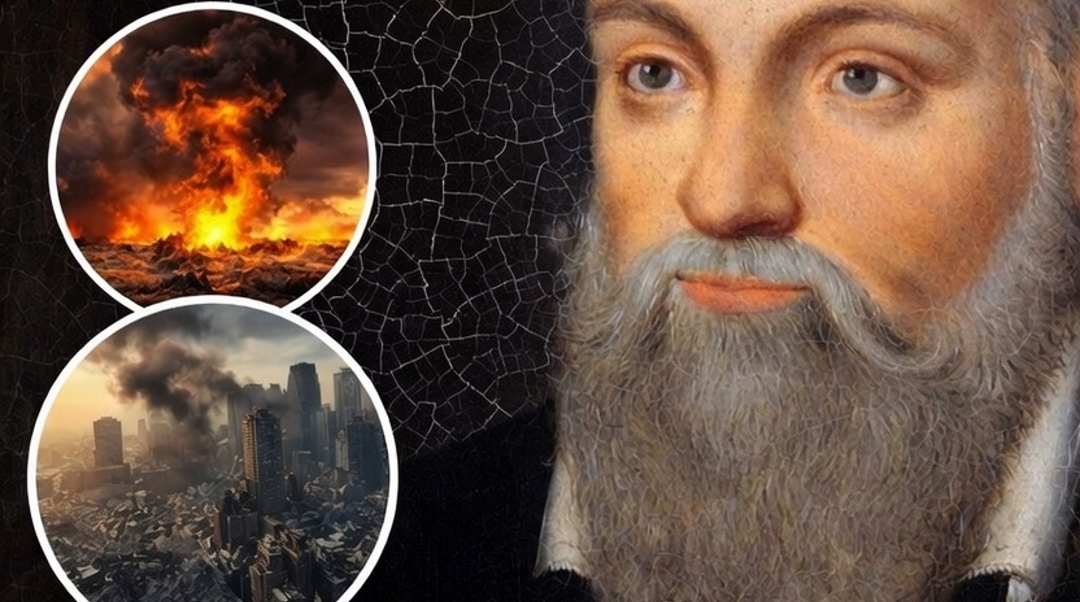
One interpretation points to imagery of cities burning and skies darkened as evidence of a catastrophic event, possibly war or a major environmental disaster. Others stretch the language further, suggesting references to modern technology or global conflict that Nostradamus could never have known, but which conveniently fit today’s anxieties.
The most controversial claim involves a supposed prediction of the death of a major celebrity or leader. Nostradamus never used the modern concept of celebrity, yet interpreters argue that his mentions of “a great one fallen” and “tears of the people” could apply to a globally recognizable figure in the age of mass media.
Historians and scholars consistently push back against these interpretations. They point out that Nostradamus’ verses are so elastic that they can be retrofitted to almost any major event after it happens. The process is usually reversed: something occurs, then a quatrain is found that can be loosely connected to it.
This phenomenon is known as confirmation bias. People remember the “hits” and forget the countless predictions that never align with reality. Nostradamus has been credited with foreseeing everything from world wars to natural disasters, often decades or centuries after the fact.