
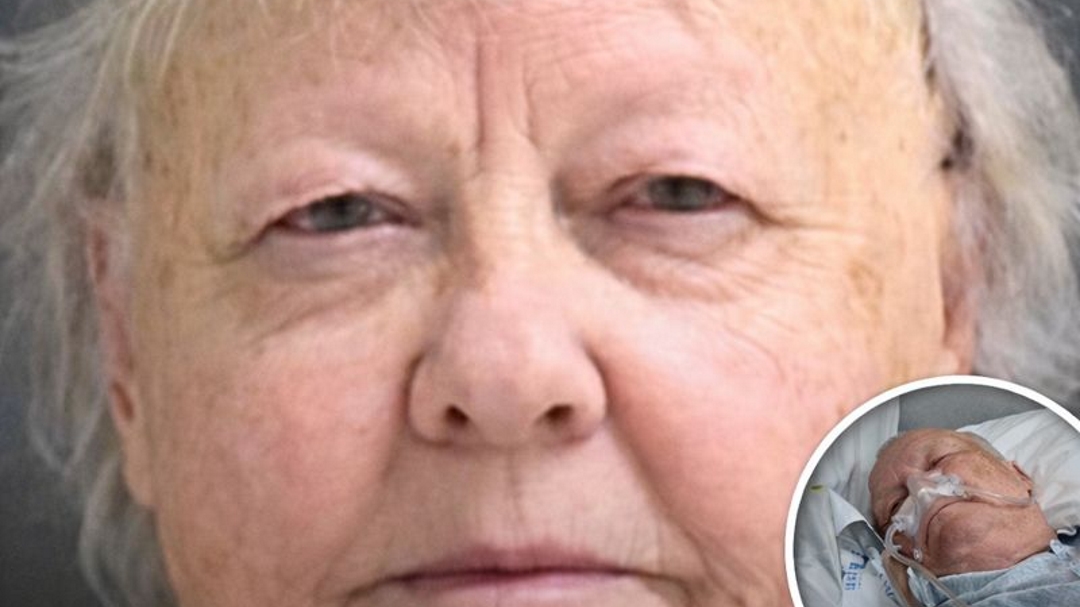
A 79-year-old woman who admitted to fatally shooting her terminally ill husband has spoken publicly about her decision, saying she would not change what she did despite the legal consequences that followed. The case has reignited a raw and divisive debate around assisted dying, mercy killings, and how the law treats acts carried out in moments of prolonged suffering.
According to court records, the woman’s husband had been battling a serious, irreversible illness that left him in constant pain and increasingly dependent on care. Friends and family later described his final months as physically unbearable and emotionally exhausting, not just for him but for his wife, who was his primary caregiver.
Investigators said the shooting occurred inside the couple’s home, where emergency services were later called. The woman did not attempt to flee and reportedly cooperated fully with police, telling officers she acted out of love and desperation rather than anger or malice.
In statements given after her arrest, she explained that watching her husband suffer day after day had become unbearable. She said he had repeatedly expressed that he did not want to continue living in pain and had asked her to help him die when his condition worsened beyond endurance.
While assisted dying remains illegal in many jurisdictions, advocates note that similar cases frequently expose the gap between rigid criminal law and the realities faced by families dealing with terminal illness. Legal experts say prosecutors are often forced to balance compassion with statutory obligations, even when intent is not disputed.
During court proceedings, the woman’s defense emphasized her decades-long marriage, her role as a devoted caregiver, and the absence of any financial or personal gain. Her lawyers argued that the act should be viewed through the lens of mercy rather than violence, urging the court to consider leniency.
Prosecutors, however, maintained that regardless of motive, taking another person’s life remains a serious criminal offense. They stressed that allowing exceptions could create dangerous precedents, particularly in cases involving vulnerable individuals.
The case has drawn widespread public attention, with many expressing sympathy for the woman while others warn against normalizing acts that bypass legal safeguards. Medical ethicists point out that end-of-life care often fails patients when adequate pain management, hospice support, or mental health services are inaccessible or insufficient.
Similar cases across the world have helped shape ongoing debates around assisted dying laws, including recent discussions highlighted in international reporting on assisted dying legislation, where lawmakers continue to grapple with where compassion ends and criminal responsibility begins.
For families in similar situations, the case serves as a stark reminder of the emotional toll of terminal illness and the limited options available under current law. Advocacy groups argue that clearer legal pathways could prevent desperate acts by offering regulated, humane alternatives.
Despite facing sentencing, the woman has remained firm in her stance. In interviews relayed through her legal team, she said she acted to end her husband’s suffering when no other help seemed possible, adding that living with the consequences was preferable to watching him endure continued pain.
Public reaction has been deeply divided. Some see her as a grieving spouse who made an impossible choice, while others insist that no circumstance should justify taking a life. The discussion mirrors broader societal tensions around aging populations, chronic illness, and how systems support — or fail — those at the end of life.
As courts continue to handle cases like this one, the legal system remains caught between empathy and enforcement. Whether the outcome will influence future reforms is uncertain, but the story has already left a lasting mark on conversations about dignity, suffering, and the limits of compassion under the law.