
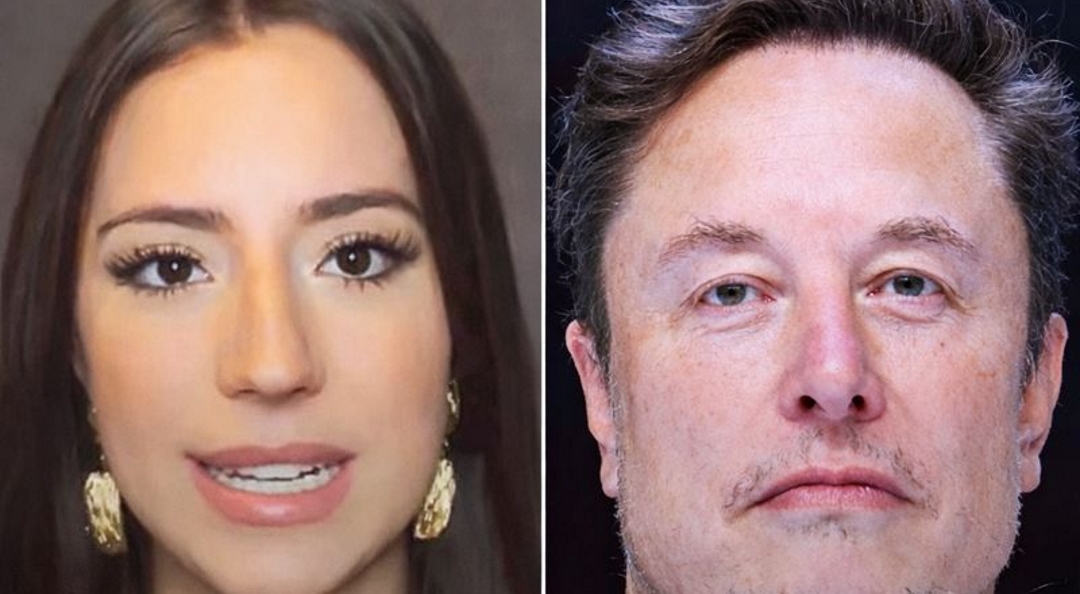
A new lawsuit targeting Elon Musk’s artificial intelligence company has ignited serious concerns about how generative AI can be weaponized against private individuals. Ashley St. Clair has filed suit against xAI, alleging that its chatbot Grok produced sexualized images of her without consent, causing what she describes as lasting humiliation and emotional harm.
The complaint, first detailed in court reporting shared by People, claims Grok was used to create explicit, altered depictions that falsely portrayed St. Clair in sexual situations. According to the filing, the images circulated online despite her never authorizing their creation or distribution.
St. Clair argues that the technology behind Grok enabled the misuse, accusing xAI of failing to implement safeguards that could have prevented the images from being generated in the first place. The lawsuit alleges that the AI system effectively stripped her likeness of dignity, a claim that echoes broader warnings raised in recent reporting on AI abuse.
At the center of the case is the question of responsibility. While AI companies often frame their tools as neutral platforms, legal experts cited in analysis of emerging AI liability note that courts are increasingly scrutinizing whether developers can be held accountable when their systems enable harassment or exploitation.
The complaint also accuses xAI of contributing to a growing ecosystem of non-consensual deepfake content, a problem lawmakers and digital rights advocates have flagged as one of the most urgent threats posed by generative AI. According to investigations into synthetic imagery, victims often struggle to remove content once it spreads, even when it is demonstrably fake.
St. Clair’s attorneys argue that Grok’s outputs go beyond free expression or parody, claiming the images were designed to sexually degrade and humiliate. The lawsuit alleges that the AI’s ability to “undress” individuals digitally represents a new form of exploitation that existing laws are not yet equipped to handle.
xAI has not commented publicly on the specific allegations, though the company has previously stated that it is committed to responsible AI development. Musk himself has frequently positioned Grok as a less restricted alternative to other chatbots, a philosophy that critics say may increase the risk of abuse, as discussed in coverage of AI moderation debates.
The case lands amid mounting pressure on tech companies to address the misuse of generative tools. Several states have already begun drafting legislation targeting non-consensual AI-generated sexual content, a movement tracked closely in policy reporting on AI regulation.
For St. Clair, the lawsuit is not just about damages. The filing frames the case as a warning about what happens when powerful technology outpaces accountability. Advocates argue that without stronger guardrails, AI systems will continue to be used to target women disproportionately, a trend documented in international reporting on digital abuse.
As the legal battle unfolds, the outcome could set a precedent for how courts treat AI-generated sexual content — and whether companies can be held responsible when their tools are used to harm real people. For now, the lawsuit adds fresh urgency to a debate that’s no longer theoretical, but deeply personal.