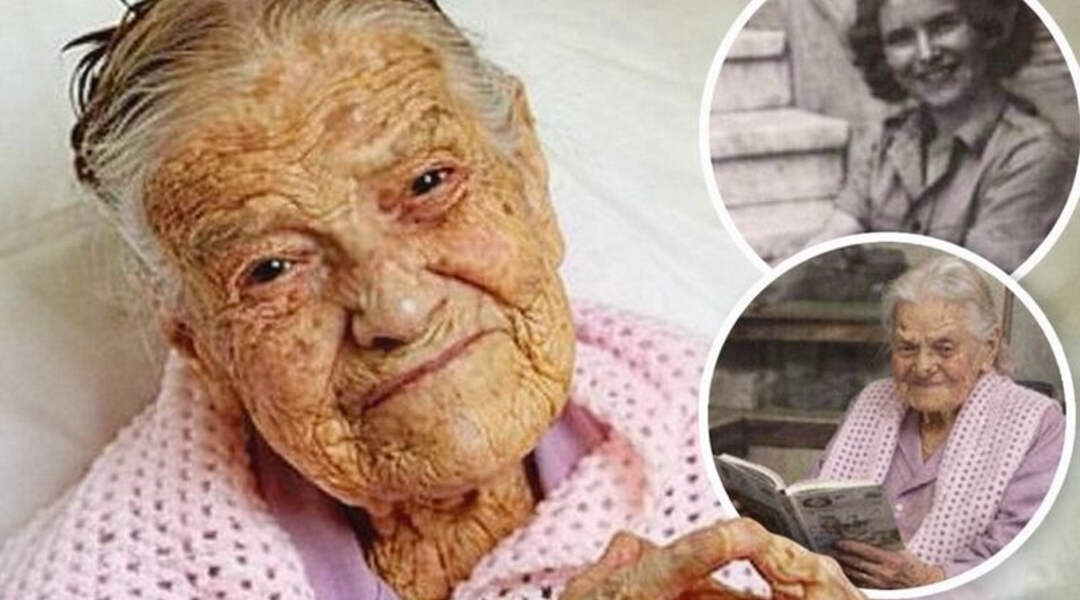
Her decision was not driven by religion, fear, or trauma — assumptions she later pushed back against when reporters began asking questions. Instead, it was simply preference. She valued quiet routines, long walks, books, and maintaining control over her time.
When asked whether she ever felt lonely, Meadmore laughed. Loneliness, she said, came from being surrounded by the wrong people, not from being alone. She maintained friendships, enjoyed conversations, and stayed mentally active well into old age.
Medical experts who later commented on her case noted that long-term stress reduction plays a significant role in longevity. Meadmore attributed her health to moderation, routine, and avoiding emotional chaos. “I never worried about men,” she once said. “That saves a lot of worry.”
Her lifestyle was simple. She never smoked, drank alcohol only occasionally, and avoided excess in all forms. She ate modest meals, walked regularly, and kept her mind engaged through reading and puzzles.
In her later years, when journalists labeled her “the world’s oldest virgin,” Meadmore found the title amusing but slightly absurd. She did not define herself by what she hadn’t done, but by the life she had lived. “People make too much fuss about sex,” she said. “There are many other things in life.”
Psychologists observing public reactions to her story noted how deeply uncomfortable society can be with people — especially women — who reject traditional life scripts. Her story challenged assumptions that fulfillment must involve romance, marriage, or sexuality.
In interviews, she emphasized that she never discouraged others from relationships. Her message was simple: choice matters. Happiness, she believed, came from knowing oneself rather than following expectations.