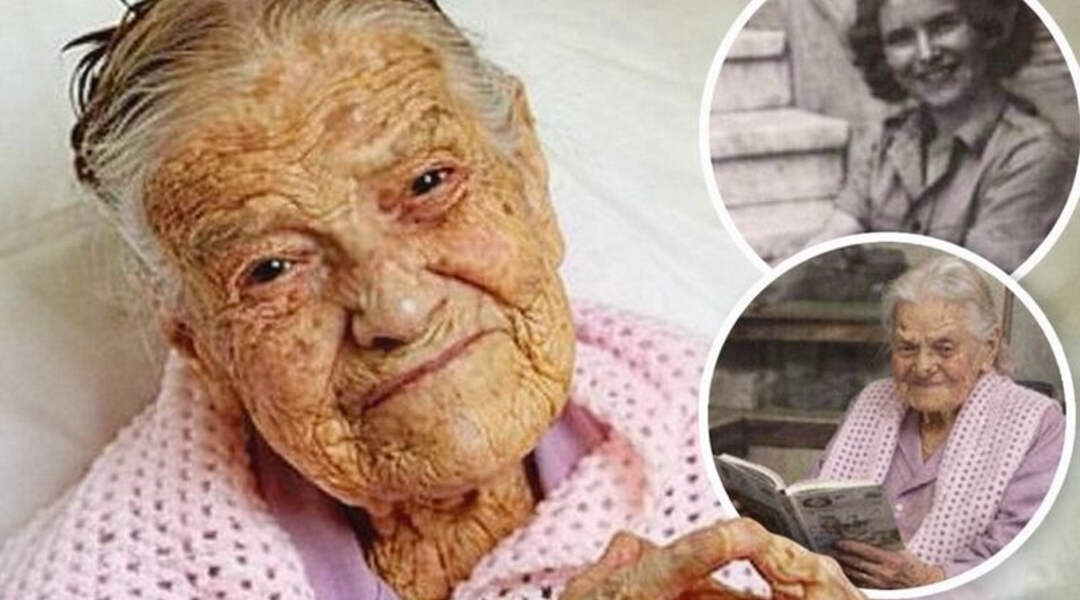
Longevity researchers have long studied individuals like Meadmore to understand how mindset impacts aging. According to gerontology studies summarized by the U.S. National Institute on Aging, emotional stability and low stress are key contributors to long life.
Meadmore’s calm disposition, independence, and lack of interpersonal conflict likely played a role in her exceptional age. She avoided the emotional upheaval that often accompanies relationships, divorce, and family strain.
As she aged, she continued to live independently until her final years, relying on routine rather than assistance. She read newspapers daily, followed current events, and maintained a sharp sense of humor.
When asked if she would change anything if given another life, her answer was immediate. No. She believed deeply that people should live according to their own nature, not society’s expectations.
Her story resonated with many who felt pressured to conform. Online forums and social commentary revealed how rare it still is for people — especially women — to openly embrace a life without romantic attachment.
Meadmore passed away in 2011, leaving behind no descendants but a legacy of quiet defiance. Her life stood as proof that fulfillment does not follow a single template.
In a world obsessed with milestones — marriage, children, relationships — her 108 years offered a different narrative. One built on autonomy, simplicity, and self-understanding.
As discussions around alternative life paths continue to grow, her story remains a reminder that happiness is personal. And sometimes, living exactly as you choose is the greatest longevity secret of all.