
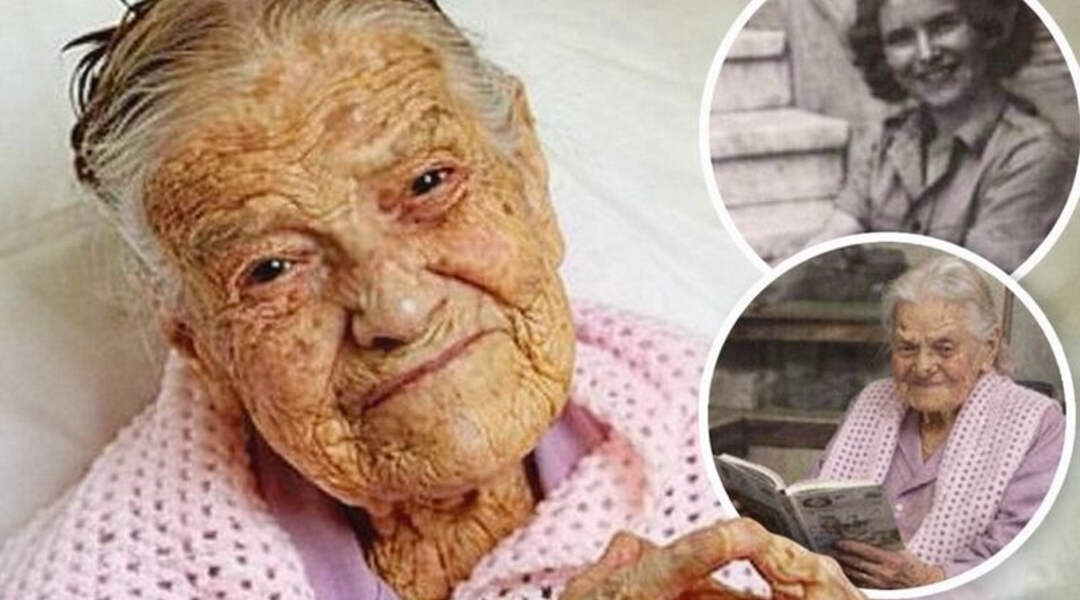
When she reached the age of 108, Clara Meadmore became known around the world for a detail of her life she never expected would attract attention. She had never married, never had sex, and never felt any regret about it. Instead, she described her life as peaceful, fulfilling, and entirely her own.
Born in 1903 in Yorkshire, England, Meadmore grew up in a strict Edwardian household where expectations for women were narrow and marriage was seen as inevitable. Yet from an early age, she felt no pull toward romance or domestic life. While her peers dreamed of husbands and children, she dreamed of independence.
She trained as a secretary and later worked as a schoolteacher, roles that allowed her to support herself financially at a time when many women could not. That independence, she said, shaped everything that followed. “I liked my own company,” she once explained. “I never wanted to belong to anyone else.”
As decades passed, societal norms shifted, wars came and went, and expectations around relationships changed. Still, Meadmore remained firm in her choices. She dated briefly in her younger years but found emotional intimacy exhausting rather than exciting. Romance, she said, felt like “too much trouble.”
Her decision was not driven by religion, fear, or trauma — assumptions she later pushed back against when reporters began asking questions. Instead, it was simply preference. She valued quiet routines, long walks, books, and maintaining control over her time.
When asked whether she ever felt lonely, Meadmore laughed. Loneliness, she said, came from being surrounded by the wrong people, not from being alone. She maintained friendships, enjoyed conversations, and stayed mentally active well into old age.
Medical experts who later commented on her case noted that long-term stress reduction plays a significant role in longevity. Meadmore attributed her health to moderation, routine, and avoiding emotional chaos. “I never worried about men,” she once said. “That saves a lot of worry.”
Her lifestyle was simple. She never smoked, drank alcohol only occasionally, and avoided excess in all forms. She ate modest meals, walked regularly, and kept her mind engaged through reading and puzzles.
In her later years, when journalists labeled her “the world’s oldest virgin,” Meadmore found the title amusing but slightly absurd. She did not define herself by what she hadn’t done, but by the life she had lived. “People make too much fuss about sex,” she said. “There are many other things in life.”
Psychologists observing public reactions to her story noted how deeply uncomfortable society can be with people — especially women — who reject traditional life scripts. Her story challenged assumptions that fulfillment must involve romance, marriage, or sexuality.
In interviews, she emphasized that she never discouraged others from relationships. Her message was simple: choice matters. Happiness, she believed, came from knowing oneself rather than following expectations.
Longevity researchers have long studied individuals like Meadmore to understand how mindset impacts aging. According to gerontology studies summarized by the U.S. National Institute on Aging, emotional stability and low stress are key contributors to long life.
Meadmore’s calm disposition, independence, and lack of interpersonal conflict likely played a role in her exceptional age. She avoided the emotional upheaval that often accompanies relationships, divorce, and family strain.
As she aged, she continued to live independently until her final years, relying on routine rather than assistance. She read newspapers daily, followed current events, and maintained a sharp sense of humor.
When asked if she would change anything if given another life, her answer was immediate. No. She believed deeply that people should live according to their own nature, not society’s expectations.
Her story resonated with many who felt pressured to conform. Online forums and social commentary revealed how rare it still is for people — especially women — to openly embrace a life without romantic attachment.
Meadmore passed away in 2011, leaving behind no descendants but a legacy of quiet defiance. Her life stood as proof that fulfillment does not follow a single template.
In a world obsessed with milestones — marriage, children, relationships — her 108 years offered a different narrative. One built on autonomy, simplicity, and self-understanding.
As discussions around alternative life paths continue to grow, her story remains a reminder that happiness is personal. And sometimes, living exactly as you choose is the greatest longevity secret of all.