
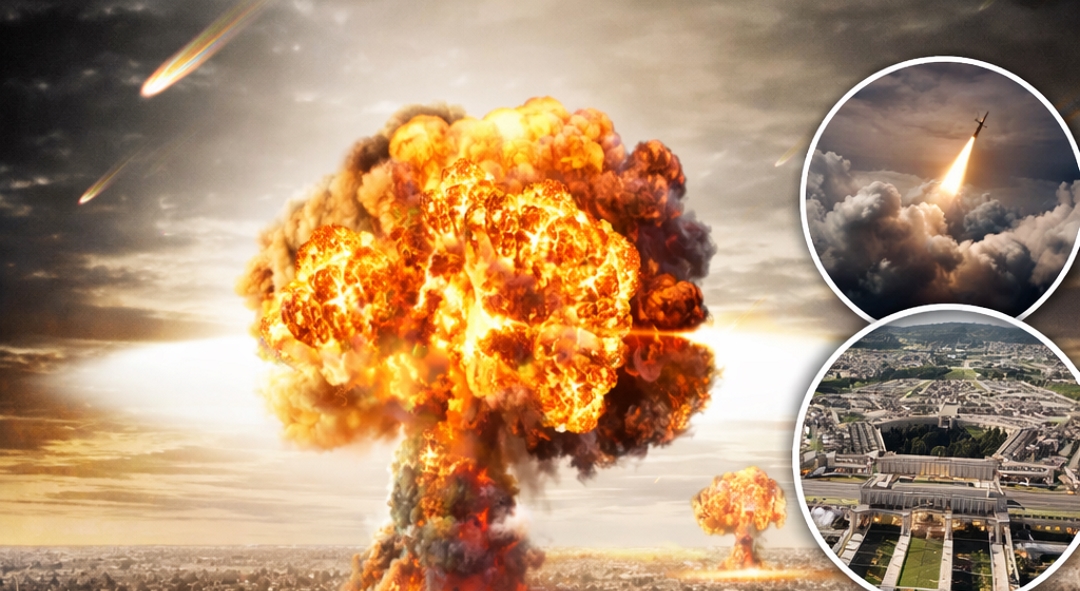
Concerns about a potential global conflict have intensified again in 2026 as military analysts, intelligence officials, and political leaders debate what a modern world war could actually look like. While the idea of World War III has circulated for decades, growing geopolitical tensions and rapid advances in weapons technology have made the discussion feel less theoretical than it once did.
Security experts say the nature of warfare has changed dramatically since the last major global conflict. Instead of traditional battle lines, modern war could involve cyberattacks, missile systems, infrastructure sabotage, and strikes on critical military hubs.
That shift has led analysts to identify locations around the world that could become immediate flashpoints if a major confrontation were to erupt.
Some of the most frequently discussed targets are strategic defense facilities and command centers tied to global military alliances. Installations connected to nuclear command systems, missile defense networks, and intelligence operations would likely be among the first places adversaries attempt to disable.
Military planners often emphasize that disabling communications and defense coordination early in a conflict can provide a major tactical advantage. This is why large command structures such as the Pentagon frequently appear in discussions about strategic vulnerability.