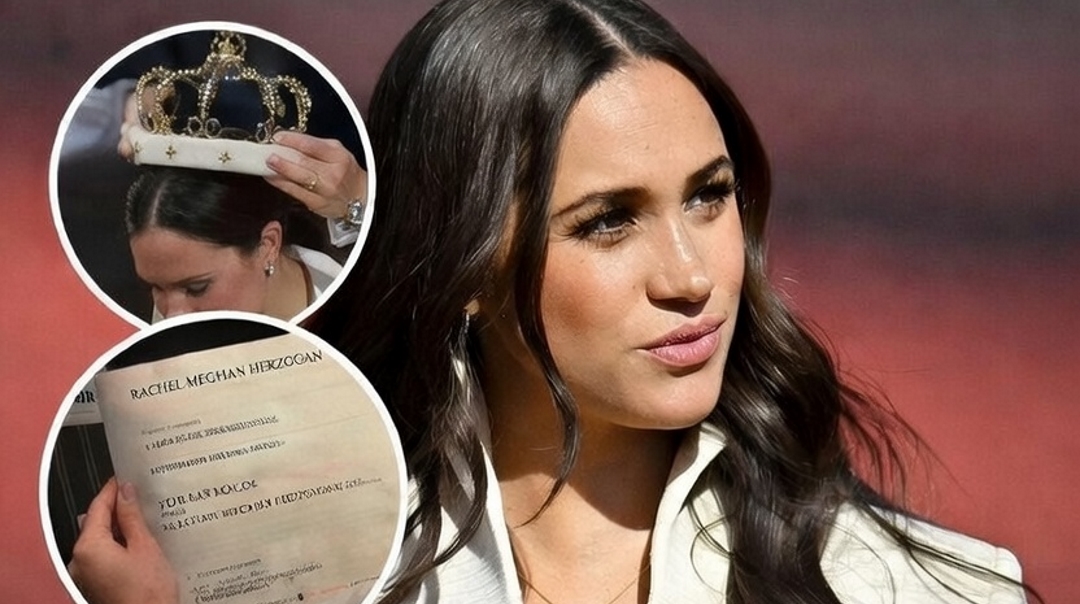
For supporters, the shift feels natural. Markle entered the royal family as an established actor and public figure, and her departure was framed as a desire for autonomy and control over her own work. Adjusting how she uses her name fits neatly into that narrative.
Critics, however, argue that any move away from royal branding contradicts the continued use of titles connected to the monarchy. That tension has followed Markle and Prince Harry since their exit, with every decision scrutinized for signs of contradiction or strategic messaging.
Royal historians note that name usage within the monarchy has always been deeply symbolic. Titles signal hierarchy, duty, and allegiance. Choosing when and how to use them is rarely accidental, especially for someone whose public identity has been so closely tied to institutional tradition.
Markle’s name change does not appear to be a legal renunciation of her title. Instead, it functions more as a branding and identity choice—one that reflects where she sees her future. In the modern media landscape, names are not just labels; they are signals about alignment, values, and audience.