What began as a local pageant celebration quickly spiraled into a national controversy. The reigning Miss North Florida found herself at the center of a cultural firestorm after publicly stating she would not refer to biological men as women — comments that pageant organizers later described as inconsistent with the organization’s values.
Within days, her crown was revoked.
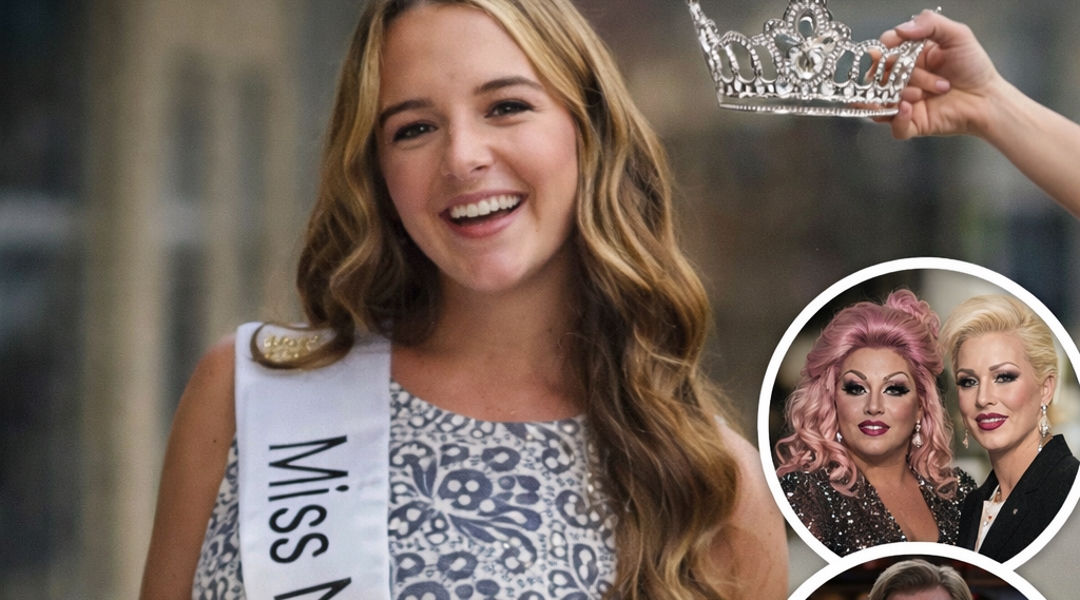
The decision stunned supporters who had watched her rise through the ranks of regional competitions. Just weeks earlier, she had stood smiling with a sash across her shoulder, posing for photos and preparing for future appearances tied to her title. The pageant world, often associated with poise and diplomacy, suddenly collided with one of the most divisive social debates in America.
According to a public statement issued by pageant officials, the organization promotes inclusivity and expects titleholders to uphold standards that reflect respect for all communities. Though the statement did not quote her remarks directly, it confirmed that her comments led to an internal review and the eventual removal of her title.
The broader conversation surrounding gender identity has intensified in recent years, particularly in competitive spaces. Policies involving participation, language, and recognition have shifted across institutions, from athletics to pageantry. Reporting from NBC News has documented how such disputes increasingly play out in public forums, often escalating far beyond the original event.