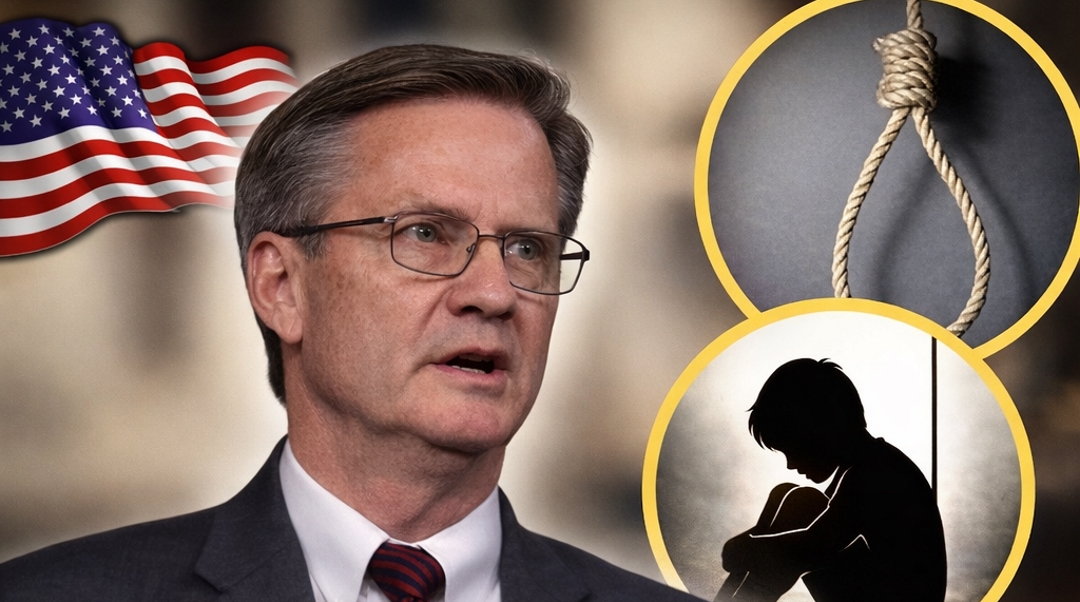
Beyond legal feasibility, the phrase “public hanging” carries heavy historical baggage. Public executions were largely abolished in the United States in the early 20th century, in part due to concerns about mob mentality and the spectacle of state-sanctioned violence. Historians note that such practices often fueled rather than prevented brutality.
Burchett’s office later clarified that he was speaking rhetorically and expressing moral condemnation rather than announcing a formal policy initiative. Nonetheless, the remark continues to circulate widely online, with both supporters and critics amplifying clips of his statement.
The controversy highlights the tension between emotional responses to horrific crimes and the constitutional guardrails that shape American law. While outrage is understandable, legal systems operate within established limits designed to protect rights — even for those accused of serious offenses.
Survivors’ advocacy groups emphasize that the most urgent needs involve funding for counseling services, improving reporting mechanisms, and strengthening child protection systems. They argue that debates over extreme punishments can distract from practical reforms that would prevent abuse in the first place.
Meanwhile, the political fallout continues. Some lawmakers privately expressed discomfort with the tone of the comment, fearing it could be used to portray their party as endorsing unconstitutional policies. Others insisted that strong language is sometimes necessary to underscore the gravity of crimes against children.
As the debate unfolds, the constitutional framework remains unchanged. Under current Supreme Court precedent, the death penalty cannot be applied in child sex crime cases where the victim survives. Public executions are not part of the American legal system.
What remains is a heated national conversation about punishment, deterrence, and the role of rhetoric in politics. Burchett’s statement may have been intended as an expression of anger on behalf of victims, but its legal implications — and its political consequences — continue to reverberate far beyond the original remark.